


O nas
Nasz zespół pracuje nad regulacją cyklu komórkowego i apoptozy w komórkach nowotworowych uzyskanych z wątroby i nerki. Głównym zadaniem jest określenie molekularnej roli tandemu regulujących się nawzajem białek TCTP i p53 oraz wpływu hipoksji na procesy kontrolowane przez te białka. Badania roli tych białek prowadzone są na liniach nowotworowych i nietransformowanych komórek wątroby hodowanych in vitro. Potencjalnym finalnym celem tych prac jest określenie możliwości zastosowania wyciszania ekspresji białka TCTP w terapii przeciwnowotworowej. Zespół interesuje się również wczesnymi etapami rozwoju gonad, a szczególnie procesami molekularnymi determinacji losów, różnicowania i regulacji cyklu komórkowego komórek somatycznych wczesnych gonad pochodzących z nabłonka płodowego mesonephros. Chcemy również określić role hipoksji w rozwoju gonad i w fizjologii ich komórek somatycznych. Badania prowadzone są na gonadach myszy. Natomiast na komórkach ludzkich hodowanych in vitro badamy rolę wybranych genów znanych z zaanagażowania w rozwój gonad w procesach nowotworzenia. Te badania prowadzimy na liniach nowotworowych i nietransformowanych komórek nerki o wspólnej ontogenezie z zawiązkami gonad.
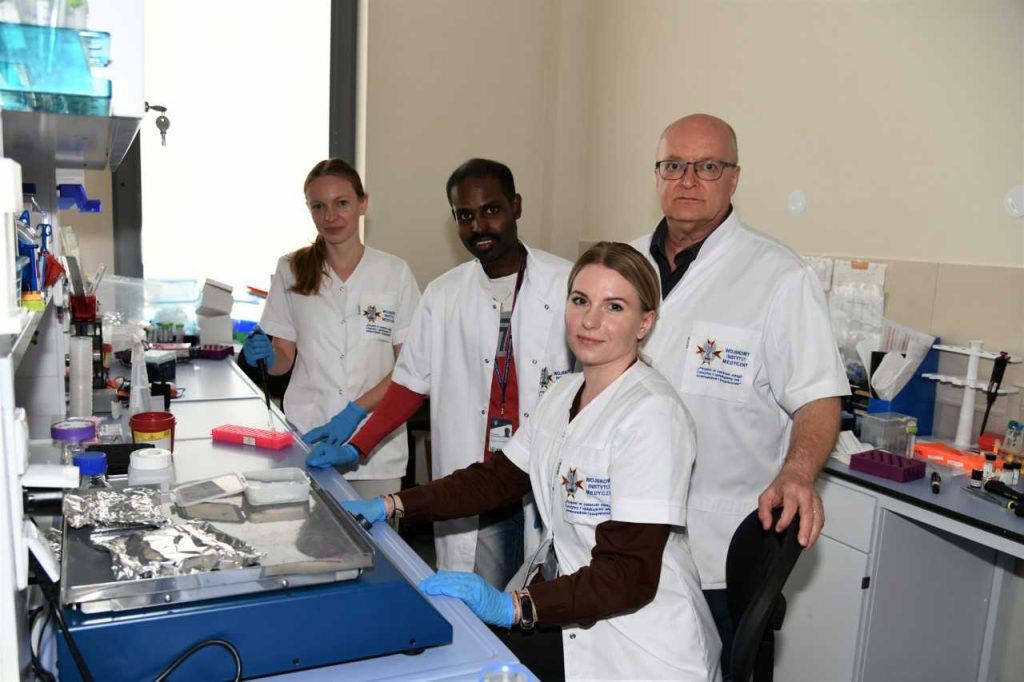
W skład zespołu wchodzą:
About Us
Our team is working on the regulation of the cell cycle and apoptosis in cancer cells obtained from the liver and kidney. The primary goal is to determine the molecular role of the tandem regulatory proteins TCTP and p53, as well as the impact of hypoxia on the processes controlled by these proteins. Studies of the role of these proteins are being conducted on tumor cell lines and non-transformed liver cells cultured in vitro. A potential ultimate goal of this work is to determine the potential application of silencing TCTP protein expression in anticancer therapy. The team is also interested in early stages of gonadal development, particularly the molecular processes determining the fate, differentiation, and cell cycle regulation of early gonadal somatic cells derived from the fetal epithelium of the mesonephros. We also aim to determine the role of hypoxia in gonadal development and somatic cell physiology. The research is being conducted on mouse gonads. Furthermore, we are examining the role of selected genes involved in gonadal development in carcinogenesis using human cells cultured in vitro. We conduct these studies on cancer and non-transformed kidney cell lines characterized by a common ontogeny with gonadal primordia.
The team consists of:
PhD Students/Scholarships